
In the bustling environment of a veterinary clinic, every second counts. From routine check-ups to emergency surgeries, data accuracy is the foundation of effective treatment.
While diagnostic tools like X-rays and ultrasound machines often get the spotlight, the simple act of weighing a patient is arguably the most frequent and critical procedure performed.
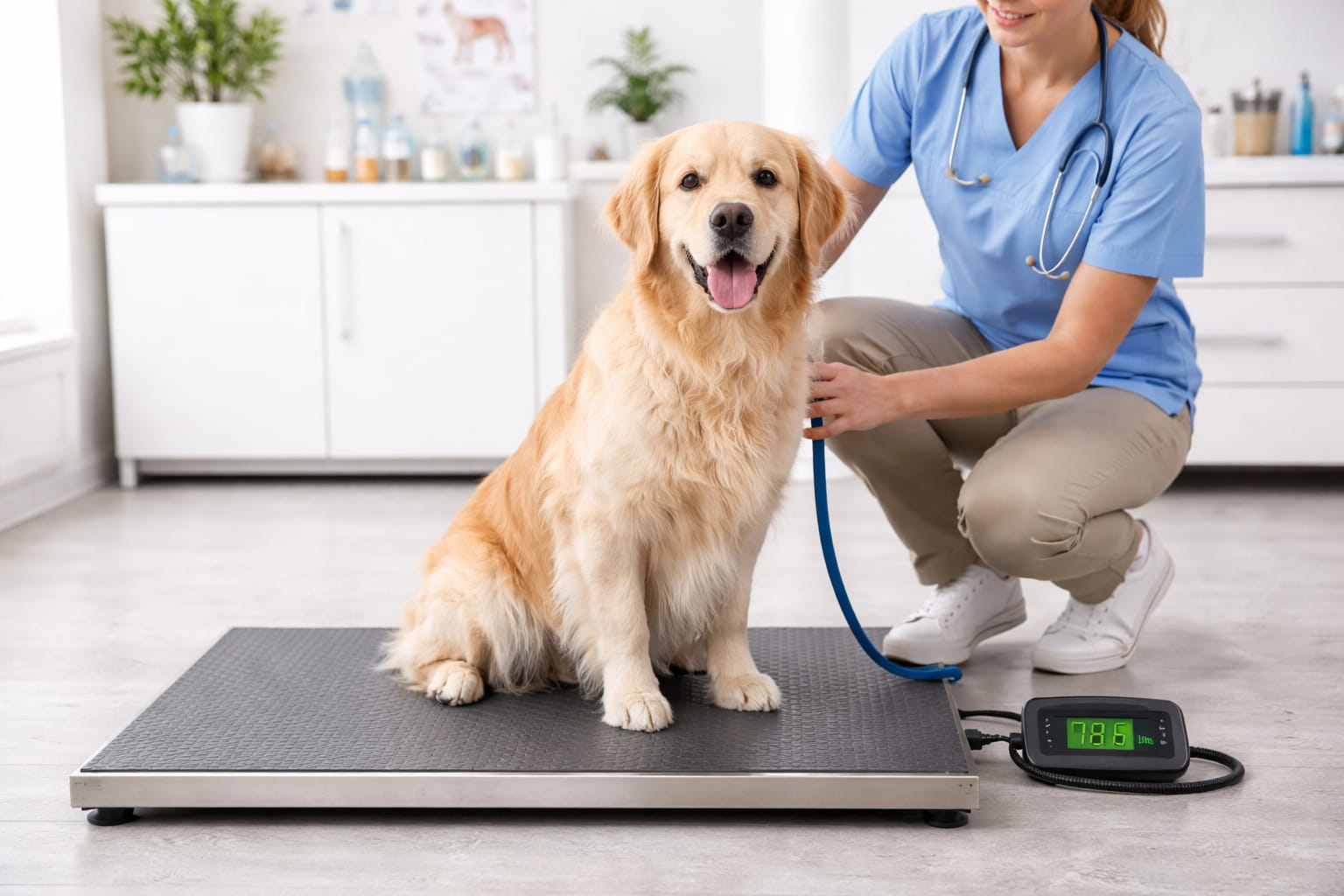
However, capturing the accurate weight of a frightened, wiggly, or aggressive animal is rarely simple. To ensure patient safety and operational efficiency, equipping your facility with a durable veterinary floor scale is a strategic decision that pays dividends every single day.
The Medical Necessity of Accuracy
For pet owners, weight is often just a measure of diet progress. For veterinarians, it is a vital statistic that dictates medical intervention. Unlike human medicine, where standard dosages are common for adults, veterinary medicine relies almost exclusively on weight-based dosing.
Whether calculating the precise amount of anesthesia for a surgery or determining the correct dosage for antibiotics and pain relief, the margin for error is incredibly slim. A scale that drifts or provides inconsistent readings can lead to under-dosing, rendering treatment ineffective, or over-dosing, which can cause toxicity.
Key Features That Define Quality
Not all scales are created equal. A standard shipping scale or a generic platform scale often lacks the specific functionality required for handling live animals. When selecting equipment for a clinic, professionals look for specific features that accommodate animal behavior and clinical hygiene standards.
Here are the essential components that separate professional veterinary scales from standard industrial options:
-
Dynamic Weighing (Motion Hold) Technology:
Animals rarely stand perfectly still, especially when they are anxious in a clinic setting. High-quality veterinary scales utilize software that averages the weight of a moving animal and “locks” the number on the screen. This ensures the staff gets an accurate reading without having to force the animal to freeze in place.
-
Low-Profile and Non-Slip Platforms:
Safety is paramount. A scale with a low profile makes it easy for large, arthritic, or fearful dogs to step onto the platform without lifting their paws high. Additionally, a textured or rubber mat surface prevents slipping, which helps reduce the animal’s anxiety.
-
Hygienic, Durable Construction:
Veterinary environments require rigorous cleaning protocols to prevent the spread of infectious diseases like Parvovirus or Kennel Cough. Stainless steel platforms are the industry standard because they are resistant to rust and can withstand harsh chemical disinfectants between patients.
Streamlining the Intake Process
Beyond medical safety, the right equipment improves the flow of the clinic. Old or malfunctioning scales create bottlenecks in the lobby or exam rooms. Vet technicians often waste valuable time trying to coax a dog onto a wobbly scale or waiting for a digital readout to settle.
A robust floor scale allows for a “walk-on, walk-off” workflow. This speed is crucial for maintaining a low-stress environment. The faster the vitals are taken, the sooner the pet can be comforted and examined. This contributes to a “fear-free” experience for the pet and a more professional, efficient perception for the client.
Conclusion
Investing in proper weighing equipment is an investment in the standard of care your clinic provides. By ensuring you have accurate, animal-specific tools, you protect your patients from medication errors and streamline your daily operations. In veterinary medicine, precision isn’t a luxury it is the standard.