
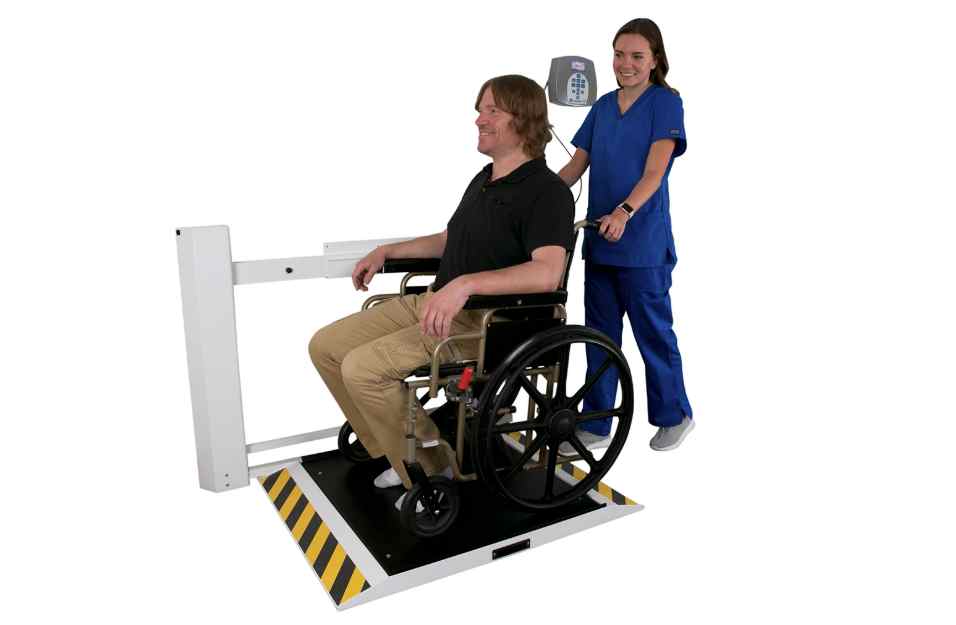
Accurate weight measurement is a vital part of patient care, especially in hospitals, clinics, and long-term care facilities. For patients with limited mobility, traditional weighing methods can be uncomfortable and unsafe.
That is where wheelchair scales play a crucial role. These specialized scales allow patients to remain seated while being weighed, ensuring comfort, dignity, and precise readings for medical assessment.
The Importance of Accurate Weight Measurement for Mobility-Impaired Patients
Monitoring a patient’s weight is essential for diagnosing conditions, adjusting medication dosages, and tracking overall health progress. For individuals who use wheelchairs, standing on standard scales may not be possible or safe.
Wheelchair scales eliminate the need for transfers, reducing the risk of falls and injuries. They provide healthcare professionals with reliable measurements while keeping the patient secure and comfortable.
Improving Safety and Comfort
Safety is a top priority in healthcare settings. Transferring patients from a wheelchair to a standard scale often requires additional staff assistance and increases the chance of strain or accidents.
Wheelchair scales are designed with low-profile platforms and ramps, making access simple and smooth. This thoughtful design enhances both patient comfort and staff efficiency.
Key Features of Wheelchair Scales
Modern wheelchair scales come with advanced features that support accurate and convenient operation in busy medical environments.
- High Weight Capacity: Designed to accommodate various wheelchair types and patient sizes.
- Digital Displays: Clear and easy-to-read screens for quick measurements.
- Tare Function: Allows staff to subtract the wheelchair’s weight for precise patient readings.
- Non-Slip Platforms: Ensure safety during weighing.
- Portable or Foldable Options: Ideal for facilities with limited space.
These features make wheelchair scales practical and reliable tools for daily medical use.
Benefits for Healthcare Facilities
Investing in quality wheelchair scales offers multiple advantages for medical providers. First, they improve workflow efficiency. Staff can quickly weigh patients without complicated transfers or additional equipment.
Second, they enhance patient experience. Maintaining comfort and dignity during routine procedures builds trust and reduces stress for individuals with mobility challenges.
Third, accurate weight data supports better clinical decisions. From monitoring fluid retention to adjusting treatment plans, precise readings are essential for effective healthcare delivery.
Choosing the Right Wheelchair Scales
Selecting the right wheelchair scales depends on the specific needs of your facility. Consider factors such as weight capacity, platform size, portability, and ease of cleaning.
It is also important to choose models with reliable calibration and durable construction to withstand frequent use. High-quality wheelchair scales are a long-term investment that improves patient safety, clinical accuracy, and overall care standards.
By integrating the right equipment into your practice, you can ensure inclusive, efficient, and professional healthcare services for every patient.